
Keepsakes and Memories: A Journey of Connection
Keepsakes are more than just objects; they are the tangible links to moments, emotions, and eras that have defined our lives. I have always been fascinated by how a simple item can spark curiosity. For example. A trinket, a photograph, or even a handwritten note can evoke deep feelings. It can transport us back to precious times, letting us relive memories that are engraved in our hearts. This article explores the world of keepsakes, discussing their description, the impact they have on our lives, the types of recipients these cherished items find their way to, and even touches on aspects such as history, demographics, eco-friendly considerations, and marketing strategies.
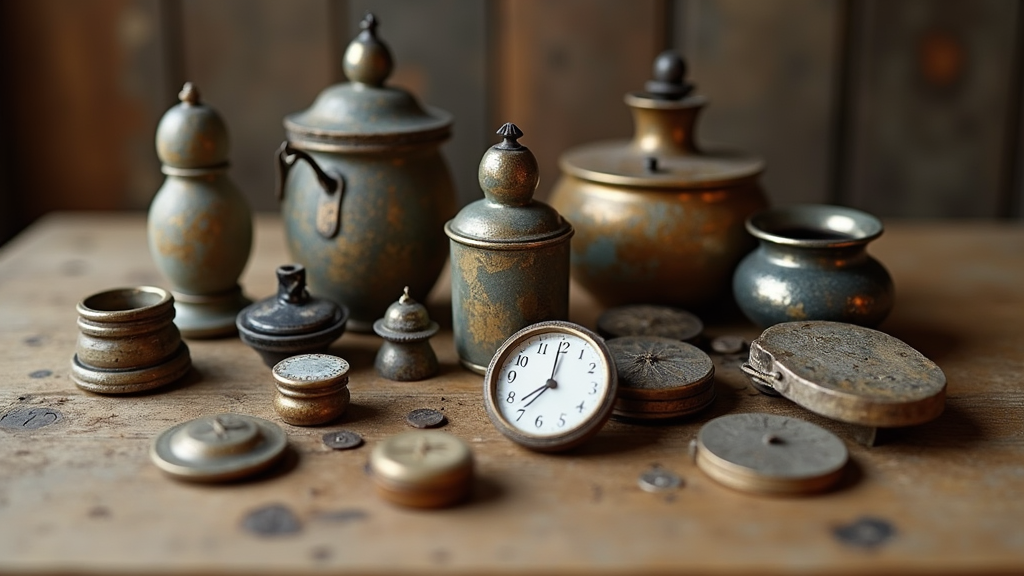
Understanding the Role of Keepsakes in Our Lives
Keepsakes carry stories. They document our journeys from childhood to adulthood, remind us of experiences that have shaped us, and often become a source of comfort during life’s ups and downs. Many people collect these objects not solely for their physical value but for the memories they trigger. When I look at an old, well-worn diary or a simple souvenir from a memorable trip, I feel connected to a past that is irreplaceable.
This deep connection isn’t just emotional. It plays a very important role in how we perceive ourselves and our life story. These objects serve as anchors during times of change. They remind us of who we once were and illustrate how far we have come. Whether it is a handmade keepsake from a loved one or a carefully preserved relic from an earlier era, the purpose remains the same. They remind us of cherished experiences and provide comfort during difficult times.
Preserving History and Cherishing Memories
The value of keepsakes isn’t limited to personal recollections alone. Over time, these items have become historical documents that reflect the social, cultural, and even political trends of their era. In many cases, keepsakes are passed down through generations, with each family adding a new layer of history. In smaller communities or among certain cultures, these objects hold tremendous sentimental value. They link generations and preserve traditions that might otherwise be lost.
Historical keepsakes may include family heirlooms such as vintage jewelry, old letters, or even everyday items that carry a significant story. Collecting and cherishing these treasures is a practice that spans various demographics, from those who revere family history to enthusiasts who study antique pieces. This historical record provides valuable insights into how people of past eras lived their lives, celebrated their successes, and overcame their challenges.
The Emotional Cause and Effect of Memories
Keepsakes often act as triggers for emotions. There is an interesting cause-and-effect dynamic at work when you hold an old object that reminds you of a specific moment. It can reinvigorate the emotions you felt at that time. I often experience a warm rush of feelings when I revisit keepsakes from my childhood or other special events. This mental journey fills me with nostalgia and provides a sense of reassurance during stressful times.
From a psychological viewpoint, memories and emotions are intertwined. When a keepsake draws out these feelings, it can impact a person’s overall mood and even affect present decisions. For instance, keeping a memento that symbolizes resilience or joy can serve as a reminder of personal strength. It may lift up one’s confidence and determination during trying episodes.
This dynamic also explains why people might store keepsakes in visible spots around their homes. Having a treasured item in your daily environment acts as a constant reminder of past joys and achievements. Such objects serve as subtle motivational cues that encourage appreciation for one’s journey and bolster the courage needed to face future challenges with optimism.
Who Receives These Treasured Keepsakes?
Keepsakes are often exchanged between people to strengthen bonds and maintain connections. Recipients of these cherished items are usually those with whom the giver shares a significant relationship. These could be family members, close friends, or even colleagues in more personal workplace settings.
In my experience, the most meaningful keepsakes are those passed from one generation to the next. Grandparents, parents, and even great-grandparents sometimes leave behind physical tokens loaded with family heritage. Beyond family circles, keepsakes are also shared to commemorate meaningful relationships or significant events. A friend might gift you a small memento from a memorable trip. A community might create a shared token to represent unity and collective experience.
This practice is particularly robust in cultures that hold family bonds and communal ties in high regard. People across various age groups underline the importance of passing on memories. As families expand and new generations emerge, these items not only serve as bridges to the past but also as tools that help nurture cultural traditions and continuity.
Aspects of Keepsakes: Materials, Eco-Friendly Choices, and Marketing
The nature of keepsakes varies widely. Some are crafted from precious materials like gold or silver, while others are made from everyday items repurposed into memory-laden artifacts. As environmental awareness grows, there has been a noticeable trend toward eco-friendly keepsakes. More and more creators are choosing recycled or sustainably sourced materials.
Eco-friendly keepsakes not only honor memories but also respect the environment. Items may be created using reclaimed wood, recycled metal, or biodegradable substances. This switch up towards sustainability resonates with those who are environmentally conscious and wish to reduce their carbon footprint while keeping precious memories intact. This sustainable trend often intersects with broader interest in ethical consumerism, where the origins and production methods of keepsakes are as important as their sentimental worth.
The marketing of keepsakes has evolved to target a diverse range of demographics. Modern marketing strategies focus on the emotional and personal value behind each piece. Companies in the memorabilia sector often emphasize that each item is unique by nature, underscoring that no two memories are exactly alike. They also spotlight the eco-friendly aspects of their products, appealing to customers who are concerned about the environment. I have seen several brands narrate the history and emotional depth behind their keepsake products, creating compelling storytelling campaigns.
From social media influencers to local antique shops, the marketing narrative centers on the idea that keepsakes are personal artifacts imbued with history, love, and a hint of mystery. The industry’s growth has been fostered by trends in personalization and customization. Whether it’s a bespoke creation or a restored family heirloom, the story behind each piece is highlighted to draw in audiences that treasure both history and a personal touch.
Caring for and Preserving Your Keepsakes
Once you have a cherished keepsake, taking care of it is really important. Proper storage and maintenance ensure that the item remains in good condition over the years. I always take care to store my collections in environments that avoid harsh conditions like extreme humidity or direct sunlight, which could otherwise lead to damage.
Different materials demand different care routines. For example, paper-based items might require acid-free storage boxes and gentle handling to avoid frayed edges or fading. Metal keepsakes might need careful cleaning to remove tarnish or accumulated dirt. It is a practical idea to research the specific care requirements for any item you plan to preserve. In cases of significant sentimental value, professional restoration services can sometimes be used to make sure that the piece is properly maintained.
Modern technology now offers digital preservation options alongside traditional physical methods. High-quality scans or photographs of valuable keepsakes can serve as backups if the original is ever damaged or lost. These digital archives complement physical collections, ensuring that precious memories remain accessible regardless of physical condition.
Frequently Asked Questions
Question: What exactly qualifies as a keepsake?
Answer: A keepsake is any small, cherished item that carries sentimental value. It is typically linked to personal memories, heritage, or significant life events.
Question: How can keepsakes influence our emotional well-being?
Answer: Keepsakes often trigger memories of past experiences, evoking a range of emotions from joy to comfort. They act as reminders of meaningful moments and can help reinforce a positive sense of self during challenging periods.
Question: Who generally receives keepsakes?
Answer: Typically, keepsakes are passed from loved ones to others within families. Close friends and significant relationships may also exchange these meaningful tokens as a way to preserve memories and celebrate personal connections.
Question: What are some eco-friendly options available in keepsake production?
Answer: Many modern keepsakes are produced using recycled or sustainably sourced materials such as reclaimed wood, recycled metal, or biodegradable substances. These eco-friendly choices attract those who wish to combine sentimental value with sustainable practices.
Question: How does marketing play a role in the keepsake industry?
Answer: Marketing in the keepsake industry focuses on the uniqueness and personal story behind each item. Companies highlight the emotional significance and historical value of keepsakes, often using storytelling techniques to connect with consumers who cherish personalized products.
Final Thoughts on the Power of Keepsakes
Keepsakes offer a unique window into our past and provide a deeply personal connection to our memories. They remind us of where we come from and the experiences that have shaped us. Whether passed down through generations or given as personal tokens between friends, these cherished items carry stories that are both unique and universal. They serve as bridges from the past to the future, inspiring us to value every fleeting moment.
As we continue to appreciate sustainability and ethical choices, the switch up towards eco-friendly keepsakes reinforces the idea that preserving memories does not have to harm the environment. The blend of tradition with modern ecological awareness reveals an evolving landscape where sentimental value and environmental responsibility go hand in hand.
The marketing of keepsakes has also adapted to modern tastes. With a growing interest in personal narratives and unique items, businesses are constantly finding creative ways to tap into the emotional reservoir that these objects offer. Whether you are a dedicated collector, a sentimental giver, or simply someone who appreciates the beauty of a well-kept memory, there is constant value in taking care of the items that tell your story.
In addition, the role of keepsakes continues to evolve as new generations add their twist to how memories are preserved. Artists and craftsmen are reimagining old traditions, blending modern technology with time-honored techniques to create pieces that capture today’s spirit while honoring our collective past. These creations do more than just commemorate—they serve as daily reminders of our journey, our values, and our hopes for the future. They invite us to pause and reflect on how every small item in our life adds meaning and depth to our personal adventure.
This expanded outlook not only deepens our appreciation for sentimental artifacts but also encourages us to explore innovative methods of preservation. By merging traditional craftsmanship with digital archiving and sustainable practices, the world of keepsakes is set to grow even more influential. Ultimately, every cherished piece becomes a beacon of memory, a snapshot of emotions, and a testament to the enduring legacy of human connection.